Autism is often referred to as a ‘hidden’ disability, if anything, that means we should be even more aware of it and build an understanding so that we can make life better for everyone.
While all people with autism share certain difficulties, their condition can affect them in many ways. Autism is a lifelong condition that influences how a person communicates with and relates to other people. It can also affect how a person makes sense of the world around them.
‘Spectrum’ is a word used to illustrate the different ways individuals are affected by Autism. Some people on the autism spectrum are able to live relatively independent lives, but others may have accompanying learning disabilities and need a lifetime of specialist support. People on the autism spectrum may have over or under-sensitivity to sounds, touch, tastes, smells, light, or colours. Many autistic people need extra time to process information, like questions or instructions, feel intense anxiety in social or unexpected situations, and find noise and bright lights painful and distressing.
My world and Autism
I’m very passionate about helping people to understand Autism – it’s very close to my heart.
In my personal world, my nephew has a diagnosis of Asperger’s and has his own colourful mix of heightened and desensitised senses. My sons both display signs of attachment disorder which are very similar to Autism traits.
I think that everyone should be given equal opportunities and be enabled to live their best lives! Everyone can benefit from us being clearer in our communication and being aware that everyone is different and has different preferences and needs.
Here to help spread the word
Did you know, Autism is more common than you may realise. There’s around 1 in 100 people on the spectrum - that’s over half a million people in the UK.
Then think about all the friends, families, colleagues and others that will come into contact with someone with Autism… that’s all of us, which is why it’s so important to raise awareness and understanding of Autism.
I worked in the Partnership Living team when I first signed up to be an ambassador - I wanted to be able to better support my customers with Autism. Autism Ambassadors are there to help spread understanding of Autism. Some ambassadors identify and influence adjustments to work processes and practices, some support and recognise how people engage and communicate and others just have a chat and challenge attitudes and beliefs if need be.
Best practice: Let’s all play our part to make a difference
One of the differences we can make as an organisation is making our recruitment process as autism friendly as possible.
Are we leaving enough time for candidates to answer questions, are we being clear enough in letting people know what to expect on the day, are we being open enough to attracting the sheer talent and outside of the box thinking that some people with autism can bring to the table?
When it comes to our customers, do we provide an environment where our customers trust us enough to let us know they have autism? Are we asking for communication preferences and then more importantly, are we checking their file and following their preferences before contacting?
All of this translates to our teams at work too, get to know your team members as individuals – what makes them tick, what communications do they prefer, what is their style of working and writing? Once we know that, it decreases the risk of misunderstandings and issues.
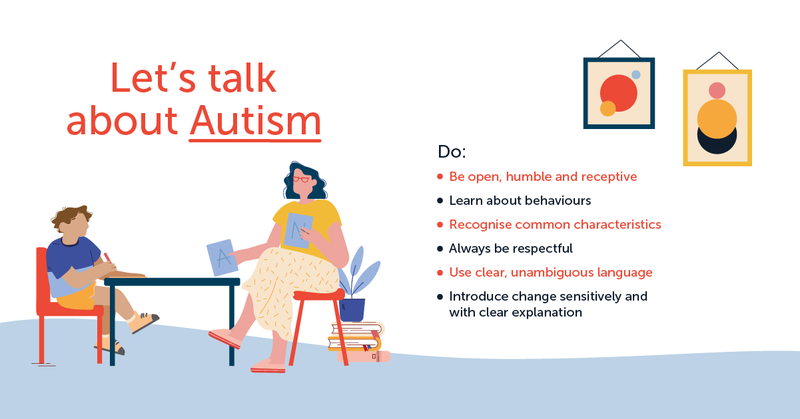
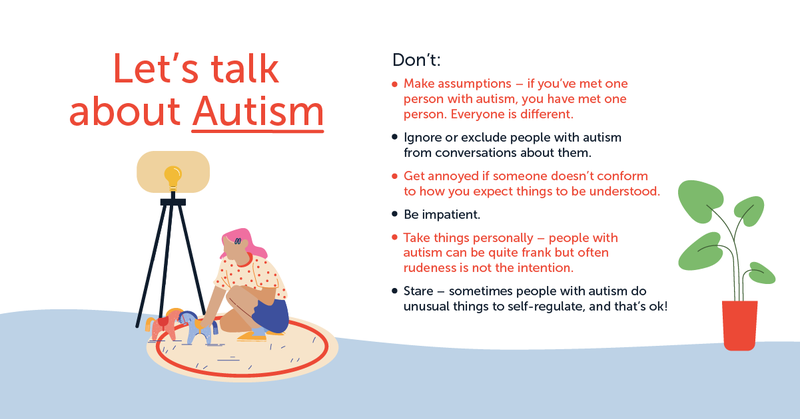
If you’re not familiar with Autism, here’s some food for thought:

Head of Central Support Services