Abri exists to create thriving communities and empower lives. But we know we can’t do this alone. Partnership working is key.
Michelle Dawson, Director of Housing and Community Investment at Abri, and Joe Walsh, Specialist – Economic Development at South Somerset District Council share how partnership working has supported those living in Yeovil and Chard.
Michelle: We are more than just a housing provider, and know that building effective relationships with our local authority partners, organisations and the voluntary and community sector is key to improving the lives of our residents and our communities.
As a housing provider, we’re in a great position to support local authorities, organisations and charities in our communities to apply for funding and deliver projects. We can work in partnership to deliver programmes that will impact and have the power to change lives and places. We are big but local; by putting the voices of our customers at the forefront of our delivery and having knowledgeable people on the ground empowered to make decision in the best interests of our customers, we can make a real difference.
We’ve been working with South Somerset District Council for a number of years, but most recently have joined forces with them on a taskforce responding to a large manufacturing business closing, supporting over 800 people at risk of unemployment, and setting up and running Opportunity Hubs in three towns in the area.
Joe: I completely agree, strategic partnerships are key in being able to connect with our residents and support them. The taskforce we set up for a large-scale redundancy included key stakeholders from the local area, such as education and training providers. We wanted Abri at the table too for a number of reasons; their ability to connect with people that as a council we tend to find difficult to connect with; the specialist Employment Service that they offer; and their ability to mobilise very quickly. The upshot from this project was that only around 5-10% of those made redundant went onto Universal Credit or claimed benefits, the rest were supported into new jobs.
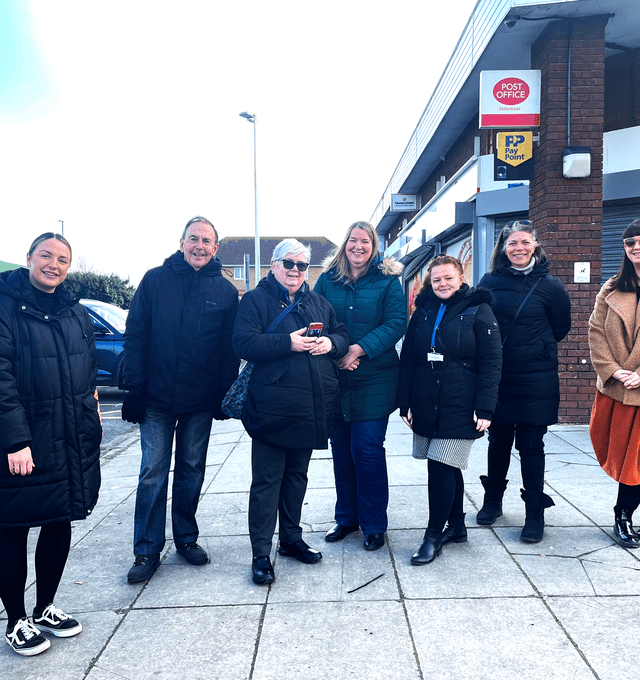
This got us thinking – how can we do more? The pandemic caused the number of those claiming out of work benefits to rise to just over 4,000. So, we launched our Opportunity Hubs in partnership with Abri. They’re a one-stop shop for those looking for employment advice, and are located in three main towns with strong transport links to make sure rural residents can access the service too. And we’re already seeing excellent outcomes with people moving into work. And Abri are at the heart of that, offering their expertise and guidance.
The main benefit for us is the ability to understand local needs of the community and then being able to tailor our offer. By having regular conversations we can feed in what we’re hearing too. And the ability for Abri to mobilise so quickly is really beneficial.
Michelle: From a housing provider prospective we work with a broad range of customers and we’re able to share our intelligence and needs of our communities. Our priorities align with our local authority organisations, and our detailed community investment strategy focuses on partnership working. And so we’re able to support with funding programmes and staff that can be deployed to local projects and programmes.
This all fits with the Levelling Up agenda – working together to restore a sense of community, local pride and belonging, especially in those places where they have been lost. The projects we’ve been working on with South Somerset District Council, in particular the Opportunity Hubs, will increase engagement in the local community, help raise aspirations and improve people’s life chances.
This also fits with the UK Shared Prosperity Fund, in terms of the local plans that lead authorities need to submit to bid for funding, and also in the delivery of the projects and work.
This is also true for where we are in the sector with carbon net zero and the associated skills agenda. We need to be having the conversation now with local authorities on what does this look like, what does it mean for our communities, and what are the future employment skills and opportunities.